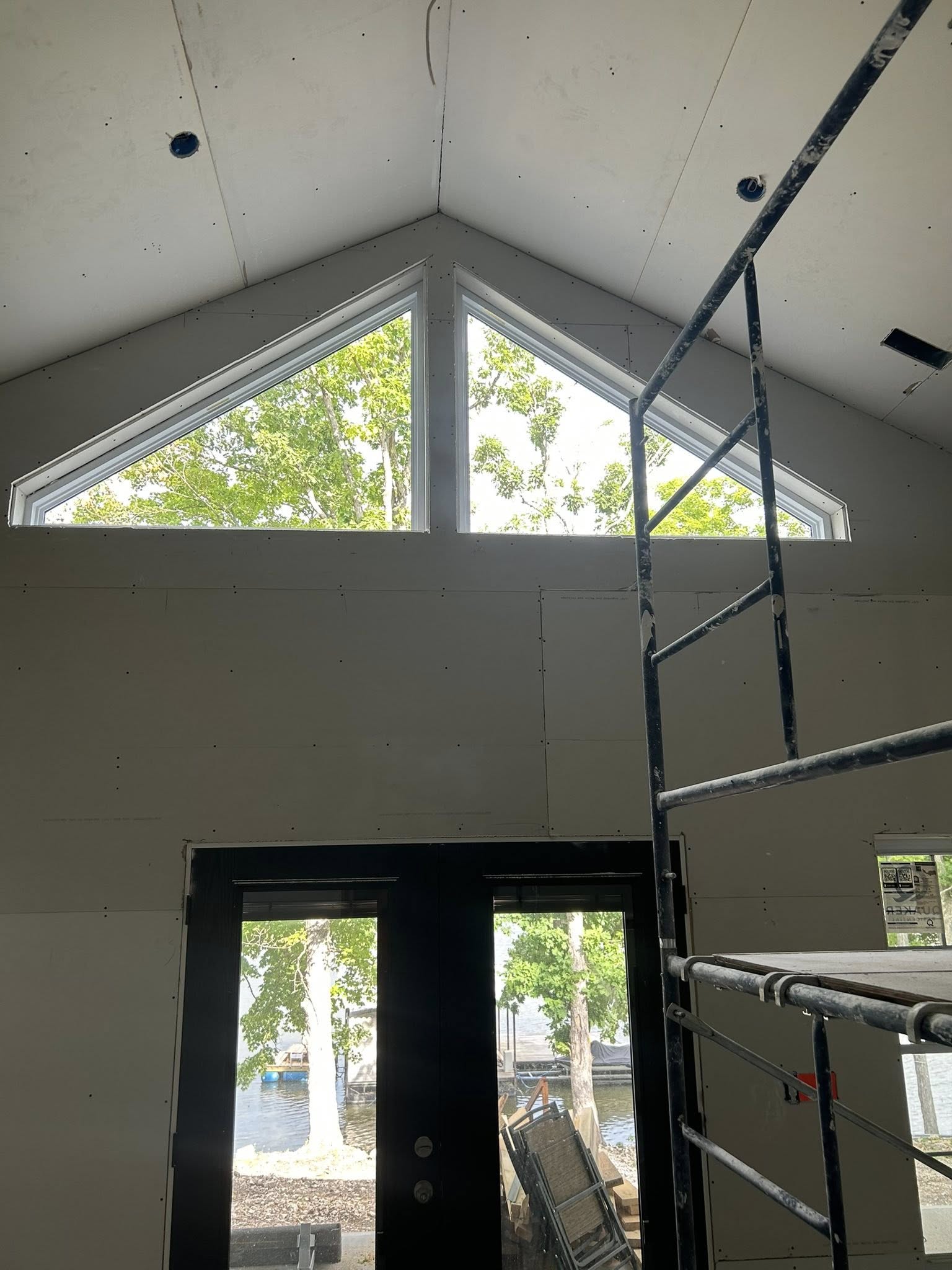
The Ultimate Guide to Perfect Drywall Finishing Dec 05, 2025
Begin with the Basics: The importance of quality materials and tools cannot be overstated. Start with high-quality drywall panels that suit your specific needs—whether it's moisture-resistant sheets for bathrooms or thicker panels for soundproofing. Alongside the drywall, ensure you have joint compound, tape, and an assortment of sandpapers.
Preparation is Key: Before diving into the drywall finishing, inspect your installation. Ensure that all panels are securely attached to the studs and sit flush against one another. Any screws used should be slightly indented but not breaking the paper surface of the drywall. This initial setup lays the foundation for a smooth finish.
Mastering the Taping Technique: Applying joint tape can be tricky. Use paper tape for flat seams and opt for mesh tape around corners. The critical aspect here is applying the joint compound thinner than you think; multiple thin coats lead to a smoother result and reduce the risk of cracks. Lay the compound on, then gently embed the tape and cover it with another thin layer, feathering the edges to blend seamlessly into the wall.
The Role of Joint Compound: If drywall finishing were a symphony, joint compound would be its conductor. Multiple applications of joint compound, or mud, are necessary to cover seams and screws completely. Start with a six-inch knife for initial coats to cover tape and screws. Once dry, transition to wider knives—ten-inch or twelve-inch—to blend out the edges. This gradual broadening of coverage ensures invisible joints.
Sanding for Smoothness: Sanding is often where amateurs make or break their finished wall. Use medium-grit sandpaper to knock down humps or ridges, transitioning to fine grit for a final smooth finish. Remember to wear a mask to protect yourself from the fine dust. Lightly run your hand over the surface to feel for imperfections, as even the slightest touch can unveil rough spots that require attention.
Priming and Painting: A spotless drywall finish requires proper priming before painting. Primer not only seals the drywall but also prepares it for even paint adhesion, preventing color blotches. Use high-quality primer and allow it to dry fully. Once primed, painting becomes the final decorative touch, setting the perfect tone for a room's atmosphere.
Finishing drywall is not solely about covering a wall; it's about creating a canvas that reflects quality and attention to detail. At Rambo Drywall, we believe every project, small or large, deserves the best finish. With careful preparation, correct tool usage, and a little patience, achieving a professional-looking drywall finish is within reach for everyone.
Whether you're a DIY enthusiast or a construction professional, understanding the nuances of perfect drywall finishing is invaluable. The effort put into mastering this skill will pay off in the form of beautifully finished walls, adding both aesthetic appeal and value to your home or project. Trust Rambo Drywall for guidance, quality products, and expert advice every step of the way.
/filters:no_upscale()/filters:format(webp)/media/be1cdb4a-db8f-42da-bda5-2e1948093350.jpeg)