The Ultimate Guide to Drywall Safety Best Practices with Rambo Jun 08, 2026
Before embarking on any drywall project, it's important to gather the necessary safety equipment. Personal protective equipment (PPE) is crucial to protecting yourself from potential hazards. Essential items include safety goggles, dust masks, gloves, and work boots. Wearing appropriate clothing, such as long sleeves and pants, can also protect your skin from irritants and sharp materials. Remember, these basic preparations can prevent many common injuries associated with drywall work.
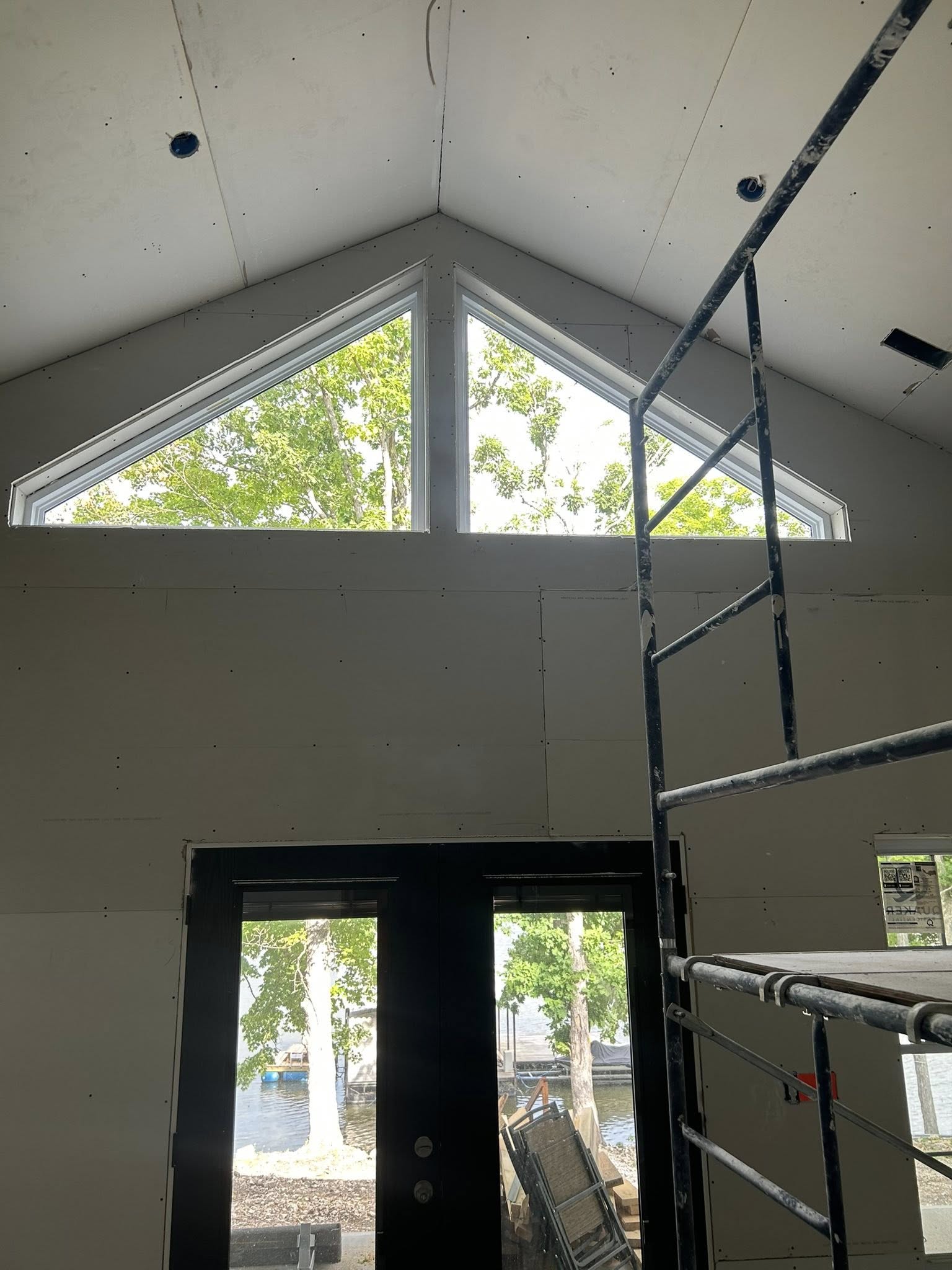
One of the first steps in drywall safety is ensuring the work area is set up correctly. Adequate lighting is essential to prevent accidents caused by shadows and dark spots. Clear the work area of any debris or unnecessary tools to avoid tripping hazards. If working in an occupied room, cover furniture and floors with drop cloths to protect them from drywall dust. Ensuring the workspace is tidy and organized not only promotes safety but also enhances productivity.
Handling drywall panels requires careful maneuvering to prevent injuries. Always lift with your legs, not your back, and seek assistance when handling large panels. It is advisable to use mechanical aids like drywall lifts or trolleys to move materials whenever possible. Correct techniques in lifting and carrying not only protect your back but also prevent falls and accidents in the workplace.
Dust control is another critical aspect of drywall safety. Drywall dust can pose health hazards if inhaled over time. Use dust-control methods, such as wet sanding or installing ventilation systems, to minimize dust production. Always clean up dust promptly and dispose of it properly. Investing in a high-quality dust mask or respirator can provide additional protection when working in dusty conditions.
Additionally, being mindful of electrical hazards during drywall installation can prevent serious accidents. Always check the work area for live wires or cables before cutting into walls. It's a good practice to use a stud finder with a voltage detector to identify potential electrical hazards. Ensure that all electrical circuits are turned off before working near wiring to eliminate the risk of electric shock.
After completing your drywall project, proper cleanup is essential. Dispose of any leftover materials according to local regulations to avoid environmental harm. Regularly inspect your tools and equipment for damage and perform maintenance as needed. Keeping your tools in good condition ensures safety and efficiency for future projects.
As we wrap up this ultimate guide to drywall safety, remember that at Rambo Drywall, safety is a top priority. By adopting these best practices, you not only protect yourself and your coworkers but also ensure the quality and success of your drywall projects. Whether you're tackling a small home renovation or a large commercial build, keeping safety at the forefront will always yield better results. So, gear up, set up your space thoughtfully, handle materials with care, manage dust conscientiously, and stay mindful of electricity. By following these simple yet effective practices, you'll become not just proficient in drywall work but also a champion of safety, the Rambo Drywall way.
/filters:no_upscale()/filters:format(webp)/media/be1cdb4a-db8f-42da-bda5-2e1948093350.jpeg)