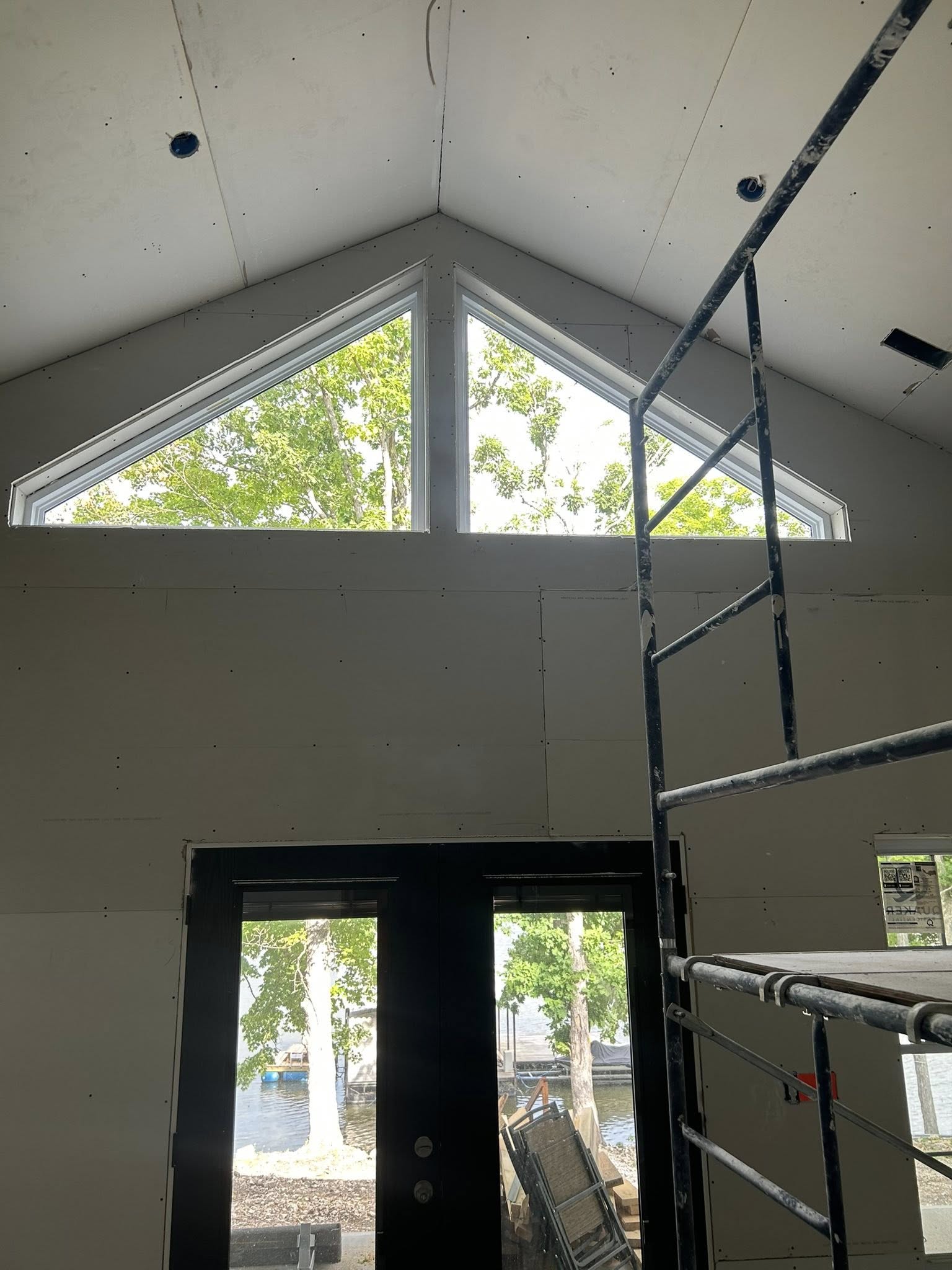
Common Drywall Mistakes and How to Avoid Them Dec 18, 2025
One frequent mistake is not properly securing drywall panels, which can lead to sagging or bulging over time. To prevent this, always use enough screws or nails, spaced appropriately, to hold the panels tightly to the studs. The general guideline is to use screws every 12 to 16 inches along the framing, ensuring each panel is firmly in place. This practice not only strengthens the connection but also helps minimize potential movement as the house settles.
Another common error is neglecting to measure and cut accurately. Drywall that does not fit correctly can result in unsightly gaps and uneven surfaces. When measuring, take dimensions multiple times and cut with precision. Using a sharp utility knife and a straightedge can help create clean, straight edges. Remember, it's much easier to cut drywall down slightly than to fill large gaps with joint compound or plaster.
Improper taping is another issue that could compromise the final look of your drywall. Using too much joint compound can cause tape to bulge and lead to visible seams. Conversely, using too little can cause the tape to peel away once the compound dries. To achieve professional results, apply a thin layer of compound, press the tape firmly into place, and then smooth it out with just enough additional compound to feather the edges. Patience is key here as allowing each layer to dry fully before applying the next ensures a flawless finish.
Skipping or rushing the sanding process can lead to noticeable imperfections under the paint. Despite the temptation to finish quickly, sanding is an essential step to achieving a smooth wall. A sanding pole with fine-grit sandpaper offers even coverage and reduces the risk of visible ridges in the drywall. It is crucial to be thorough but gentle, removing only the necessary material to achieve a seamless surface.
Finally, insufficient priming before painting is a mistake that can affect the texture and longevity of the paint job. Priming is essential for sealing the drywall's porous surface and ensuring even paint absorption. A good primer will also help hide joints and drywall imperfections and can enhance the appearance of the paint finish. This step can make all the difference in achieving a professional look that lasts.
By avoiding these common drywall mistakes, you can ensure a smoother, more durable finish in your home or commercial spaces. At Rambo Drywall, we emphasize the importance of quality craftsmanship, attention to detail, and the use of appropriate techniques for each step of the drywall process. Whether you are undertaking a DIY project or enlisting professional services, understanding these pitfalls provides a foundation for success.
Incorporating these practices and insights can transform how your walls look and feel, giving you the confidence that your drywall won't just conceal the structures of your home but enhance its overall aesthetic. As with any element of construction work, preparation and patience are the keys to avoiding mistakes and achieving a high-quality finish that stands the test of time. For more information or assistance, Rambo Drywall is here to offer expert advice and professional services tailored to your specific needs.
/filters:no_upscale()/filters:format(webp)/media/be1cdb4a-db8f-42da-bda5-2e1948093350.jpeg)